What Pet Insurance Covers — and What It Doesn't
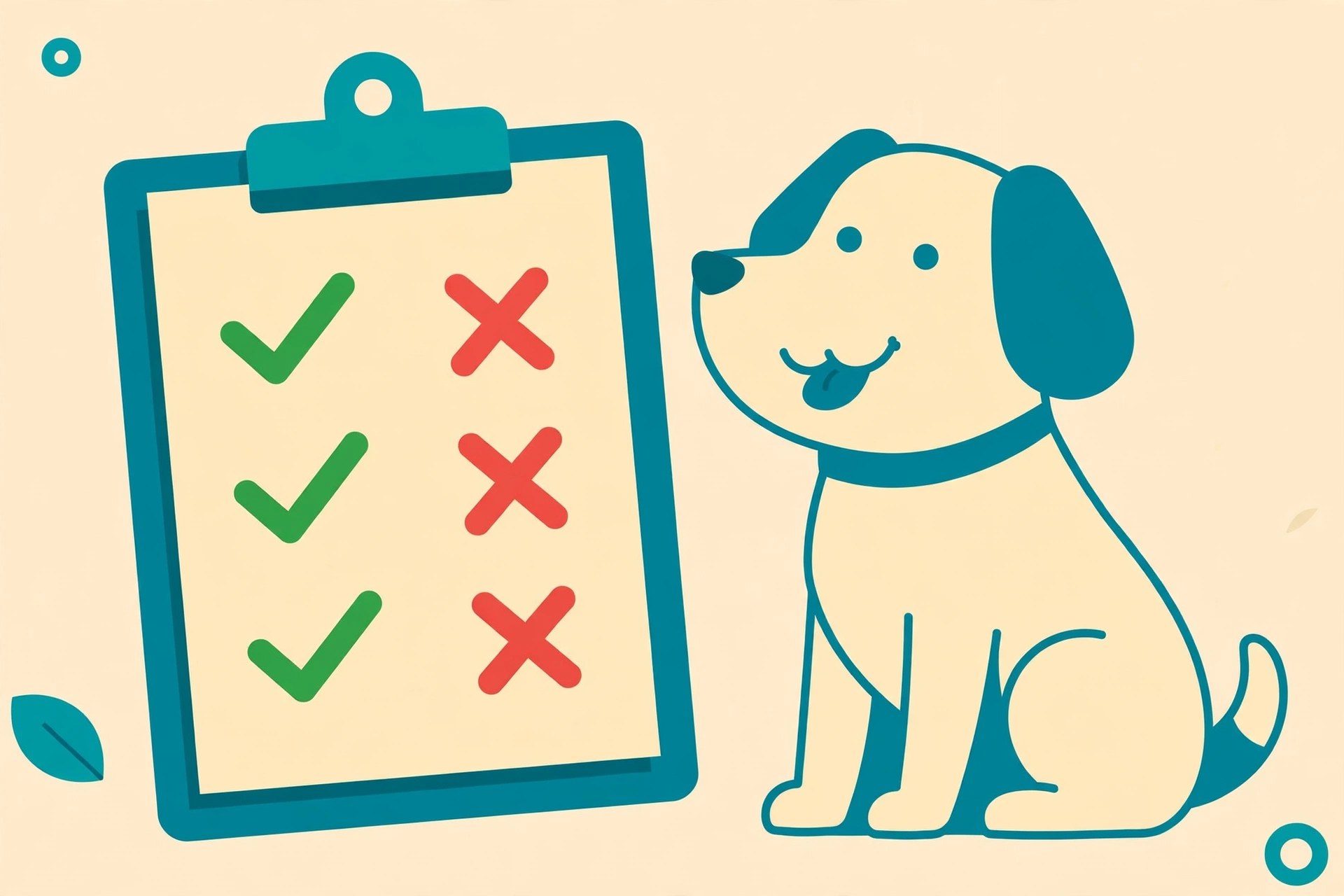
The core question behind every pet insurance policy is simple: which vet bills count? The general shape of coverage is fairly consistent across providers, but the edges — the extras and the exclusions — are where plans differ and where misunderstandings happen.
Typically covered
- Accidents: broken bones, bite wounds, swallowed objects, lacerations — the sudden, unexpected stuff. This is the backbone of most policies.
- Illnesses: infections, allergies, digestive issues, urinary problems, and similar conditions that develop after coverage begins.
- Emergency care: ER visits, hospitalization, and urgent surgery tied to a covered accident or illness.
- Diagnostics: X-rays, ultrasounds, bloodwork, and lab tests needed to diagnose a covered condition.
- Surgery and hospitalization: when medically necessary for a covered condition.
- Prescription medications: drugs prescribed for a covered condition are usually included.
- Hereditary and congenital conditions: many plans cover these (hip dysplasia, heart conditions), but some exclude them or require an add-on — always check.
- Cancer treatment: most comprehensive plans include it, including chemotherapy and radiation when medically indicated.
Commonly excluded
- Pre-existing conditions: anything diagnosed or showing symptoms before coverage (or during waiting periods). This is the biggest exclusion by far.
- Routine wellness care: annual exams, vaccinations, flea/tick prevention, and spay/neuter are usually not in the base policy. Many providers sell a separate wellness add-on.
- Dental cleanings: routine dental care is typically excluded; dental work tied to an accident or illness may be covered, depending on the plan.
- Cosmetic or elective procedures: tail docking, ear cropping, and similar procedures done for appearance.
- Breeding and pregnancy costs: generally excluded across the board.
- Experimental treatments: unproven or non-standard therapies are usually out, though definitions vary.
- Conditions during waiting periods: anything that arises before the waiting period ends can be excluded or reclassified as pre-existing.
Wellness add-ons: worth a second look
Many providers offer an optional wellness plan that reimburses routine care — checkups, vaccines, prevention. These are really budgeting tools, not insurance: the math is usually close to break-even against paying out of pocket. They're convenient, not profitable. If a provider pitches a wellness add-on as the reason to buy the whole policy, run the numbers yourself first.
Accident-only vs. comprehensive plans
You'll also see two broad plan types. Accident-only plans cover injuries but not illnesses — they're cheaper, but they leave out a large share of what sends pets to the vet. Comprehensive (accident + illness) plans cost more and cover both. There's no trick here: the cheaper plan covers less, by design. If you're comparing a low quote against a higher one, check which type each quote is for before concluding anything about value.
How to read the coverage section
- Find the exclusions list first. It's more informative than the marketing page.
- Search for your breed's known issues. If you have a Labrador, look for hip dysplasia; if you have a French Bulldog, look for breathing and spinal conditions.
- Check how pre-existing conditions are defined. "Diagnosed before" versus "showed symptoms before" are very different standards.
- Note any per-condition limits or sub-limits. Some plans cap specific treatments even when the annual limit is high.